The Scoop is HYPR’s journal on everyday health and athletic performance. We connect research to useful questions, practical routines, and the details behind the ingredients.
Every article includes sources and explains what the evidence can—and cannot—tell us. You’ll find HYPR connections where they fit, with ingredient research kept distinct from claims about the finished product.
What research on strength training tells us about effort, progression, and building a routine that lasts.
The useful takeaway
A productive session is one you can build on. Every set does not have to end in failure.
The question behind a good training plan
Most people can describe what a hard workout feels like. Fewer can explain what that workout is supposed to improve. Start there. Are you trying to become stronger, add muscle, maintain strength during a season, or make everyday tasks easier? The answer changes how you judge the session. Feeling exhausted can happen after useful training, but exhaustion alone is a poor scorecard. A better question is whether you are repeating quality work and gradually improving at the task you care about.
What the research actually found
A systematic review and meta-analysis by Grgic and colleagues included 15 studies in young adults comparing resistance training taken to repetition failure with training stopped earlier. Across the pooled results, strength and muscle-size gains did not differ significantly overall. Some subgroup results differed, including a hypertrophy advantage for failure training among trained participants. [1] That supports a nuanced conclusion: failure can be a tool, but it is not a universal requirement. The studies do not identify one ideal stopping point for every exercise or every athlete.
Turn the idea into a practical session
As a starting example, choose a small group of exercises you can perform with control and keep them consistent long enough to compare sessions. Write down the resistance, repetitions, and how close you felt to your limit. When repetitions become more comfortable with similar technique, consider a modest increase in the challenge. On complex lifts, agree on a stopping rule with your coach before you start. If the movement changes substantially to finish the repetition, the set may no longer be delivering the work you intended.
Put strength into a bigger health routine
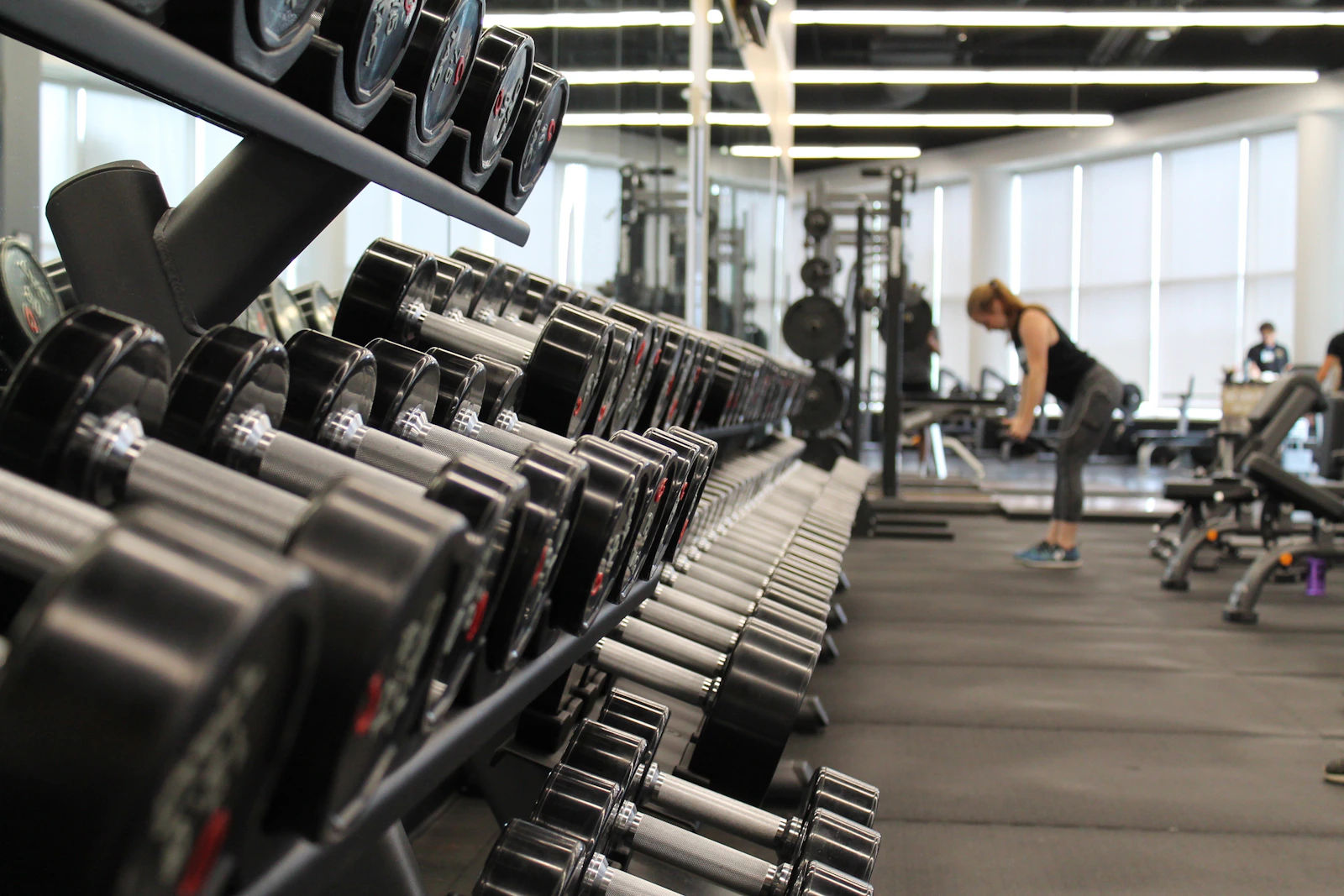
For adults, CDC guidance includes muscle-strengthening activity on at least two days each week and aerobic activity as well. [2] That is a public-health starting point, not a sport-specific program. An athlete also needs to account for practices and competition. A recreational lifter might have more freedom to spread hard sessions out. In either case, review the week rather than treating every workout as a stand-alone test of toughness. Make the plan fit the training you can consistently complete.
Measure the outcome that matters
Compare performance under reasonably similar conditions: the same exercise, similar technique, and a comparable point in your week. A single personal best can be encouraging, but a pattern of progress is more informative. If you regularly arrive unable to perform the work you planned, discuss the schedule, food intake, and recovery with your coach. The goal is to find a repeatable dose of challenge, not to win an argument about which workout felt hardest.
Educational content from a brand-owned journal. Research summaries describe the cited study or guidance; practical examples are editorial suggestions. Individual needs vary. Work with a qualified professional for personal health, nutrition, or rehabilitation advice.
Sleep research, training demands, and a realistic way to give recovery a place on your calendar.
The useful takeaway
Plan the opportunity to sleep before looking for another recovery shortcut.
Recovery needs time on the calendar
It is easy to schedule a lift and hope sleep fits around everything else. Reverse that process once this week. Start with the time you need to wake up, then work backward to protect an opportunity for sleep. Include the time it takes to finish your evening and settle into bed. This is a planning exercise, not a promise that you will immediately fall asleep. The point is to notice whether your schedule makes adequate rest possible in the first place.
What counts as evidence here?
NHLBI recommends seven to nine hours of sleep per night for adults. [1] The 2021 expert consensus on sleep and athletes also argues for attention to individual needs and the constraints of sporting schedules. [2] An expert consensus synthesizes research and practitioner judgment; it is not a trial showing that one bedtime improves every athlete’s performance. Use the recommendations as a starting point for a conversation about your own routine, rather than treating a number on a sleep tracker as a complete assessment.
Audit the obstacles before adding gadgets
For several days, record when you got into bed, when you had to wake up, and the main reason the evening ran late. Be specific. Was it travel, schoolwork, late training, scrolling, or an irregular work schedule? The solution should address the obstacle. Preparing the next day’s bag earlier is a different intervention from negotiating practice times or discussing a persistent sleep problem with a clinician. Buying a new recovery product cannot create hours that your schedule has already taken away.
Try a repeatable evening routine
A practical starting point is to choose a short sequence that signals the day is ending: prepare tomorrow’s essentials, lower the pace of the evening, and get ready for bed at a planned time. Keep the routine simple enough to repeat outside a perfect week. If naps are part of your schedule, note how their timing relates to your nighttime sleep. These are observations to help you learn what fits, not rules that every person must follow. Make one change at a time so you can tell what was useful.
Interpret the week, not a single night
Compare your notes with how you feel during training and daily life. One rough night before a competition does not establish a chronic problem, and one long night does not necessarily resolve weeks of inadequate opportunity. If difficulties persist despite an adequate schedule, or sleepiness interferes with daily functioning, seek qualified guidance. For athletes, sharing the pattern with the support team can also reveal scheduling changes that an individual cannot make alone.
Educational content from a brand-owned journal. Research summaries describe the cited study or guidance; practical examples are editorial suggestions. Individual needs vary. Work with a qualified professional for personal health, nutrition, or rehabilitation advice.
How to translate sports nutrition research into meals you can actually repeat.
The useful takeaway
Start with the whole day. Protein powder is a convenience option, not a requirement.
A useful nutrition plan has to survive your schedule
A perfectly designed meal is not helpful if it stays on a page while you rush from work to training. Start with a regular weekday. Mark the windows when you can realistically eat, the foods you can store or carry, and the sessions you need to prepare for. This exposes practical gaps before you start debating supplements. Build around familiar meals and a few dependable backup choices. The plan should be specific enough to act on and flexible enough to handle a late meeting or practice.
What protein research can tell us
Morton and colleagues pooled 49 resistance-training studies involving 1,863 participants. Protein supplementation produced modest additional gains in strength and fat-free mass, with the dose-response analysis suggesting a plateau around 1.6 grams of total daily protein per kilogram of body weight. [1] That is a population-level estimate, not a precise ceiling for every person. For a 150-pound adult, 1.6 g/kg is about 109 grams per day. The number refers to protein from the full diet, not an extra amount that must come from powder.
Use the number to ask a better question
Before adding a shake, look at what you already eat. List the protein-containing foods in breakfast, lunch, dinner, and snacks, then estimate a few ordinary days rather than a single unusual day. If there is a practical gap, decide whether food or a supplement is the easier way to address it. Someone who struggles to eat between sessions faces a different problem from someone who already has regular balanced meals. Neither person needs to copy a professional athlete’s exact menu to make progress.
Keep the rest of the meal in view
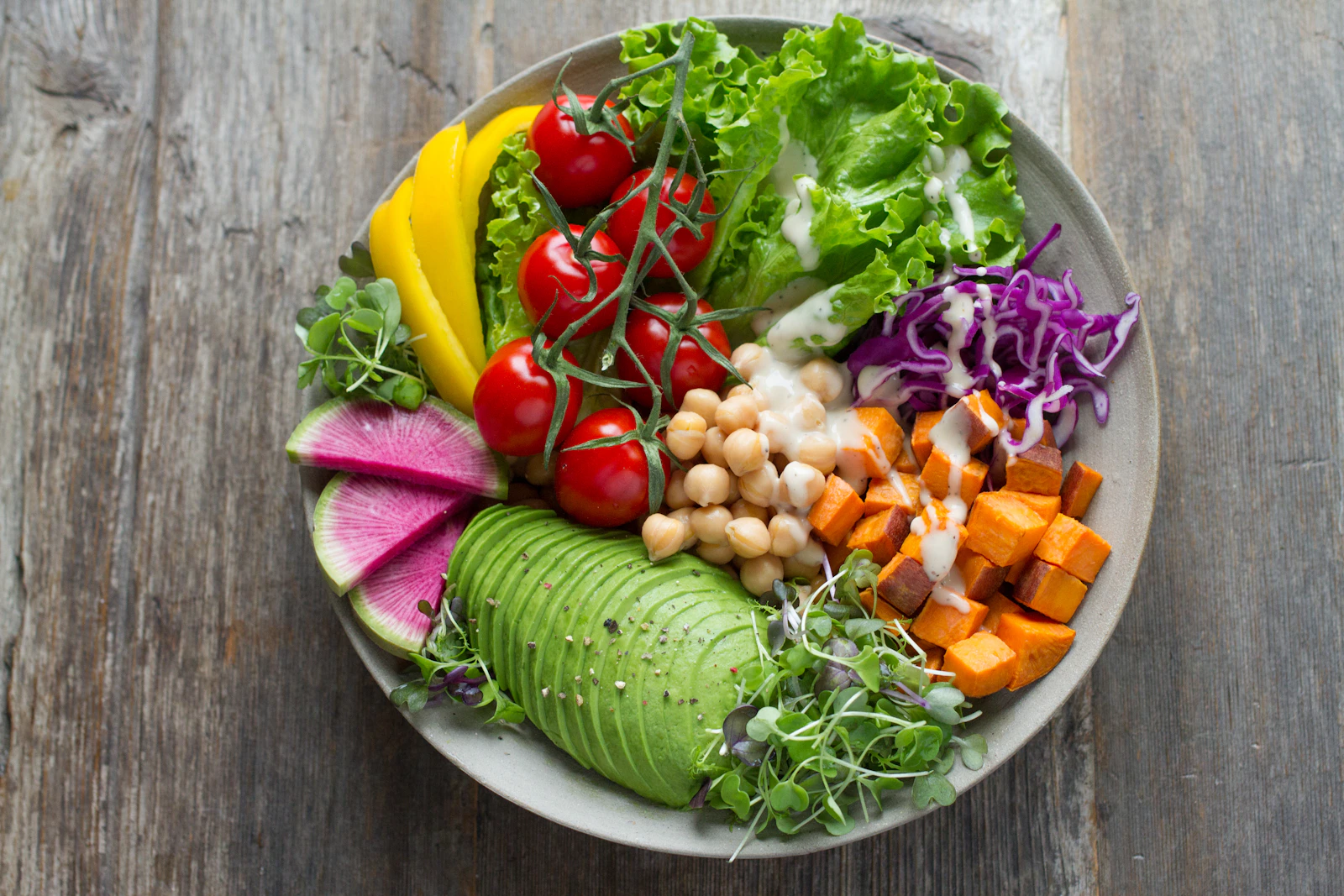
The joint nutrition position statement from ACSM and partner organizations emphasizes matching food, fluids, and supplements to the training scenario and individual needs. [2] Protein is only one part of that picture. For a practical meal template, think about a protein food, a carbohydrate food, produce, and fluids across your day. Then tailor amounts and timing with a sports dietitian when the workload is demanding. A protein target should not distract from eating enough overall or preparing for a long session.
Make convenience work for you
Keep two or three meals you know how to prepare and a backup option for travel or a busy evening. Review what you actually managed to eat after the week ends. If the plan repeatedly fails in the same time window, change the logistics before making it more complicated. That might mean packing food the night before, keeping an easy snack available, or moving a meal to an earlier break. Better planning often starts with a smaller, more repeatable decision.
Educational content from a brand-owned journal. Research summaries describe the cited study or guidance; practical examples are editorial suggestions. Individual needs vary. Work with a qualified professional for personal health, nutrition, or rehabilitation advice.
The science behind daily steps—and why a useful movement goal starts with your baseline.
The useful takeaway
More daily movement can matter without chasing one universal step target.
Movement does not have to look like a workout
Many people think of activity as something that begins when they arrive at the gym. Daily movement offers another place to start: walking to an errand, taking a break from the desk, or spending part of a conversation on your feet. These opportunities are especially useful when a long training session is unrealistic. The first task is to notice the routine you already have. A target based on that routine is more actionable than a number chosen because it appears on someone else’s watch.
What the steps research found
A 2022 meta-analysis by Paluch and colleagues combined 15 international cohorts and found that higher daily step counts were associated with lower all-cause mortality risk. [1] These were observational data: people were not randomly assigned to step targets. Differences in health and lifestyle can influence the relationship, and the result does not prove that a particular number of steps prevents death. It does support taking everyday movement seriously without treating one widely advertised threshold as a magic dividing line.
Choose a baseline you can understand
Record several representative days before changing anything. Separate a typical workday from a weekend and from a day that already includes a long practice. Then identify one opportunity to add movement where it fits naturally. For example, a short walk during an existing break may be easier to maintain than a large extra session late at night. This is an example of planning, not a research-derived prescription for exactly how many minutes you need.
Remember what a step counter leaves out
Steps describe only part of an activity routine. A strength session, cycling, and swimming can be meaningful activity even when a step counter captures little of the work. CDC adult guidelines include aerobic activity and muscle strengthening. [2] Consider your movement goal within that broader picture. Someone returning from inactivity and someone training twice a day should not judge their week by the same single number. The most useful metric is one that helps make a sensible decision rather than simply producing a larger total.
Keep the goal proportional to the day
Once you choose a small addition, review whether it fits your energy, schedule, and existing training. If you are already highly active, an ever-higher step total may compete with other priorities. If you are usually sedentary, a modest repeatable change may be a more practical start. Adjust based on your circumstances and seek guidance if symptoms or a health condition limit activity. The point is to make movement a durable part of life, not to turn every ordinary day into a contest.
Educational content from a brand-owned journal. Research summaries describe the cited study or guidance; practical examples are editorial suggestions. Individual needs vary. Work with a qualified professional for personal health, nutrition, or rehabilitation advice.
Energy for repeated hard efforts, daily consistency, and what ingredient research means for HYPR.
The useful takeaway
Creatine is a training support tool. Consistent intake matters more than expecting an instant pre-workout effect.
Start with the job the ingredient does
Creatine is often discussed alongside products designed to make you feel energized. That can create the wrong expectation. The useful question is not whether you feel a scoop immediately, but whether the ingredient supports the kind of work your training requires. Think about repeated sets in the weight room or repeated short hard efforts in sport. Those are different demands from feeling more awake at your desk. Decide which problem you are trying to solve before judging any supplement by the sensation it produces.
The mechanism and the evidence
The ISSN position stand describes creatine’s role in the phosphocreatine system, which helps regenerate ATP during high-intensity effort. Increasing muscle creatine stores can support repeated intense work and resistance-training adaptations. Creatine monohydrate is the most studied form; common maintenance protocols use about 3–5 grams daily. Loading is an option rather than a requirement, and lower daily intake builds stores more gradually. [1] These are ingredient-level findings. They do not mean every person or every type of exercise will respond identically.
Daily use is a logistics question
Once you have decided that creatine fits your goals, choose a regular opportunity to take it according to the product directions. Breakfast, another meal, or a familiar training preparation routine may be easier to remember than chasing a narrow timing window. Keep the decision simple. If you miss a day, return to your usual plan rather than improvising a large catch-up serving. Do not raise the serving size of a blended product just because you saw a loading protocol for isolated creatine.
Connect it to work you can measure
Keep your training record focused on outcomes you already care about: controlled repetitions at a given resistance, quality across repeated efforts, or progress across a training block. Record when you started a supplement, but avoid attributing every good workout to it. Sleep, food, coaching, motivation, and changes in the program may occur at the same time. Without a controlled comparison, your personal log cannot isolate one cause. It can still help you and your coach assess whether the overall routine is productive.
Separate research from the label
Ask which form of the ingredient is present, how much is in a serving, and whether the study population and training task resemble your situation. A trial on an ingredient does not establish that a finished blend has the same measured outcome. For medical conditions or questions about suitability, involve a qualified clinician. Competitive athletes should also review product testing and sporting requirements with their support team. These steps give the ingredient a defined role instead of asking it to become an entire performance plan.
Educational content from a brand-owned journal. Research summaries describe the cited study or guidance; practical examples are editorial suggestions. Individual needs vary. Work with a qualified professional for personal health, nutrition, or rehabilitation advice.
Habit research and a practical way to make health decisions easier to repeat.
The useful takeaway
Tie one useful action to a regular cue. Build the routine before expanding it.
The problem is often the setup
Many routines fail at the same predictable moment: leaving home without food, finishing work too late to train, or reaching bedtime with tomorrow’s preparation still undone. Treat that moment as a design problem. What decision is being made under pressure, and what could be arranged earlier? This approach does not require you to become a different person overnight. It asks you to make the next useful action easier to carry out within the life you already have.
What habit research suggests
Lally and colleagues studied repetition of daily eating, drinking, or activity behaviors in a consistent context. Automaticity generally increased with repetition, but the time course varied substantially between individuals. [1] The study does not justify a fixed deadline by which your routine must become effortless. It also does not establish that buying a convenient product creates lasting adherence. A useful interpretation is to focus on repeated behavior in a stable setting, then evaluate what makes that repetition possible for you.
Choose one cue and one action
An illustrative plan might be: after putting lunch dishes away, prepare the bottle and bag for tomorrow’s training. Another might be taking a short walk after a regular work break. Make the trigger recognizable and the action small enough that you can tell whether you completed it. A vague goal such as “be healthier” leaves you with another decision every time. A specific plan reduces that ambiguity. Start with the action most likely to remove a recurring problem in your day.
Give the routine a busy-day version
Decide in advance how the routine should work when your schedule changes. That might mean using a simpler meal, completing a shorter planned session, or preparing fewer essentials at night. The alternative should still serve the same purpose. Avoid building an all-or-nothing rule in which one interruption makes the whole week feel lost. A busy-day version is a practical planning choice, not a license to ignore the training plan or replace meals with supplements whenever life becomes inconvenient.
Review completion before judging results
At the end of the week, ask whether you performed the action and what got in the way. Completion and effectiveness are different questions. A habit can be easy to repeat yet poorly suited to your needs, while a useful action can require better logistics. If you consistently miss the same cue, change the cue or the setting. If the routine is reliable, assess whether it solves the problem you selected. Expand only when the extra step adds a clear purpose rather than more complexity.
Educational content from a brand-owned journal. Research summaries describe the cited study or guidance; practical examples are editorial suggestions. Individual needs vary. Work with a qualified professional for personal health, nutrition, or rehabilitation advice.
Why a short daily check-in can add context that performance numbers miss.
The useful takeaway
Use trends to start a better conversation. One score should not decide your entire training day.
A record should help you make a decision
A training log can become a long list of numbers that no one uses. Before adding another field, ask what you would do differently if it changed. If the answer is unclear, simplify. Start with the session completed, a brief note on how it felt, and something about the conditions around it. You are creating context for the next conversation with your coach, not trying to capture every detail of your body in a spreadsheet.
What research adds to the idea
Saw and colleagues’ systematic review supports using subjective reports of well-being to monitor responses to training, either on their own or alongside other measures. [1] That gives a brief athlete check-in a legitimate place beside training data. It does not turn a homemade questionnaire into a validated diagnostic instrument, and it does not mean objective measurements are unnecessary. Different measures answer different questions. The value is in choosing a consistent method and interpreting it in context.
Build a check-in you will actually complete
As an example, record sleep quality, general fatigue, and soreness using the same simple scale each morning. Define what the ends of the scale mean so that your answer is more consistent. Add a short note when there is a clear change in circumstances, such as travel or an unusually late night. After the session, record the work performed and perceived difficulty. This example is an organizational tool; it is not a validated readiness test or a research-established scoring system.
Compare like with like
Review several days together and compare sessions that have similar purposes. A competition day and an easy recovery day should not be expected to feel the same. When a pattern changes, ask what else changed: training load, schedule, food access, stress, or illness. These notes help identify questions to investigate. They cannot prove that one factor caused another. Correlation in your log is a starting point for discussion, especially when multiple things changed at once.
Agree on how the information will be used
For a team, decide who reads the check-in and what follow-up looks like. Athletes are more likely to offer useful information when they understand its purpose. A low score should lead to a conversation rather than an automatic penalty or a claim that the athlete is unprepared. Persistent symptoms require appropriate assessment. Keep the process short, protect private health information, and revisit whether each field is helping the staff make better decisions.
Educational content from a brand-owned journal. Research summaries describe the cited study or guidance; practical examples are editorial suggestions. Individual needs vary. Work with a qualified professional for personal health, nutrition, or rehabilitation advice.
A closer look at connective-tissue research—and the limits of applying it to a finished supplement.
The useful takeaway
Promising collagen research deserves context: the dose, formulation, outcome, and exercise protocol all matter.
Recovery involves more than muscle soreness
When people discuss recovery, the conversation often starts and ends with how their muscles feel the next morning. Connective tissue deserves a place in the discussion too. But acknowledging tendons and ligaments does not make every collagen claim true. The useful question is which outcome a study actually measured. A change in a blood marker, a change in pain, and fewer injuries are different findings. A responsible article should keep those distinctions visible rather than collapsing them into the word “recovery.”
A small experiment worth understanding
Shaw and colleagues studied eight healthy men using vitamin-C-enriched gelatin before brief exercise. The 15-gram condition increased a blood marker related to collagen synthesis compared with placebo. [1] This was a small mechanistic study, not a trial demonstrating fewer injuries or faster recovery from a tendon injury. The intervention also involved a specific formulation, timing, and exercise protocol. Those details matter when someone tries to connect the finding to a commercial product with a different serving or blend.
A marker is not the same as an outcome
Biological markers can help researchers investigate a possible mechanism. They do not automatically establish the practical outcome a consumer cares about. If the headline says a supplement “repairs tendons,” look for a trial that measured the relevant clinical or functional result over an appropriate period. Ask whether there was a comparison group and whether the participants resembled the people the claim targets. A promising pathway is a reason for further study, not a shortcut around that study.
Use nutrition within a training or rehabilitation plan
If your interest in collagen comes from discomfort or an injury, start by identifying the problem with a qualified professional. Bring the product label and the study you are considering to the conversation. Ask how nutrition might fit alongside the prescribed exercise and rehabilitation plan. Do not use a supplement claim to justify training through pain or improvising the exercise protocol from a laboratory paper. A treatment decision needs more context than an ingredient list and an encouraging research headline.
Read the fine print before buying the conclusion
Compare the amount studied with the amount in a serving, the type of collagen or gelatin, the other ingredients, and the measured endpoint. If they differ, describe the connection as indirect. Also keep collagen’s role separate from your overall muscle-focused protein plan; different protein sources are not automatically interchangeable for every goal. The best takeaway is a better set of questions: what was tested, in whom, for how long, and what actually changed? Those questions apply to every supplement, not just collagen.
Educational content from a brand-owned journal. Research summaries describe the cited study or guidance; practical examples are editorial suggestions. Individual needs vary. Work with a qualified professional for personal health, nutrition, or rehabilitation advice.
Fluids, sweat losses, electrolytes, and how to build a plan around the actual session.
The useful takeaway
Replace what you need. More fluid is not automatically better.
Start with the session, not the bottle
Hydration planning begins with a few ordinary questions. How long will you be active? What are the conditions? When can you drink, and where will the fluid come from? A short indoor lift, a long outdoor practice, and a travel day are different situations. Organize access before deciding which product to use. If you regularly reach practice without a bottle or cannot refill it, solve that logistics problem first. No ingredient can make a drink useful while it is still sitting at home.
What the guidance emphasizes
The National Athletic Trainers’ Association position statement recommends individualized fluid-replacement practices and highlights risks from both inadequate and excessive intake. It advises quantifying sweat rates in relevant environments rather than assuming all athletes need the same amount. [1] The key idea is sufficient replacement without overdrinking. That is different from telling everyone to finish a fixed number of bottles or encouraging someone to keep drinking until their body mass rises during exercise.
Estimate losses with appropriate support
One practical approach is to work with a coach, athletic trainer, or dietitian to compare body mass before and after a representative session, while accounting for fluid consumed and urine produced. Use comparable conditions and a consistent measurement method. The resulting estimate is a planning tool, not a permanent personal number. Repeat the process when the environment or workload changes substantially. A controlled indoor session may tell you little about a much longer practice in hot weather.
Give electrolytes a specific role
Sodium is a major electrolyte lost in sweat and can be relevant to a replacement plan. Needs vary with the person, the session, food intake, and sweat losses. [1] Do not assume a premium salt name proves better performance, or that every walk requires an electrolyte drink. Compare the actual label with the plan you are trying to follow. Also distinguish electrolytes from carbohydrate fuel: a product can provide minerals without supplying the energy needed for a demanding session.
Make the plan usable before competition
Once you have guidance, practice the routine in familiar training conditions. Check whether you can carry the fluid, drink at the available breaks, and tolerate the approach. Record useful observations and review them with your support team. Avoid changing several products or strategies for the first time on competition day. If a session becomes unusually hot or you feel unwell, respond to the situation and seek appropriate help rather than treating the written plan as a rule that overrides symptoms.
Educational content from a brand-owned journal. Research summaries describe the cited study or guidance; practical examples are editorial suggestions. Individual needs vary. Work with a qualified professional for personal health, nutrition, or rehabilitation advice.